 MAINSYSTEMS


The difference between receiving and managing
An inbox or form can receive communications. Enterprise case management requires a clear owner, case status, active deadlines, communication records, documents and a reasoned history of every decision.
Essential capabilities
Configuration
Unlimited users and unlimited languages, categories, channels, priorities, departments, extra fields, deadlines, assignment, public documents and branding.
Daily case management
Search and filters, statuses, priorities, owners, messages, tasks, attachments, reminders, related cases and activity history.
Analytics and documentation
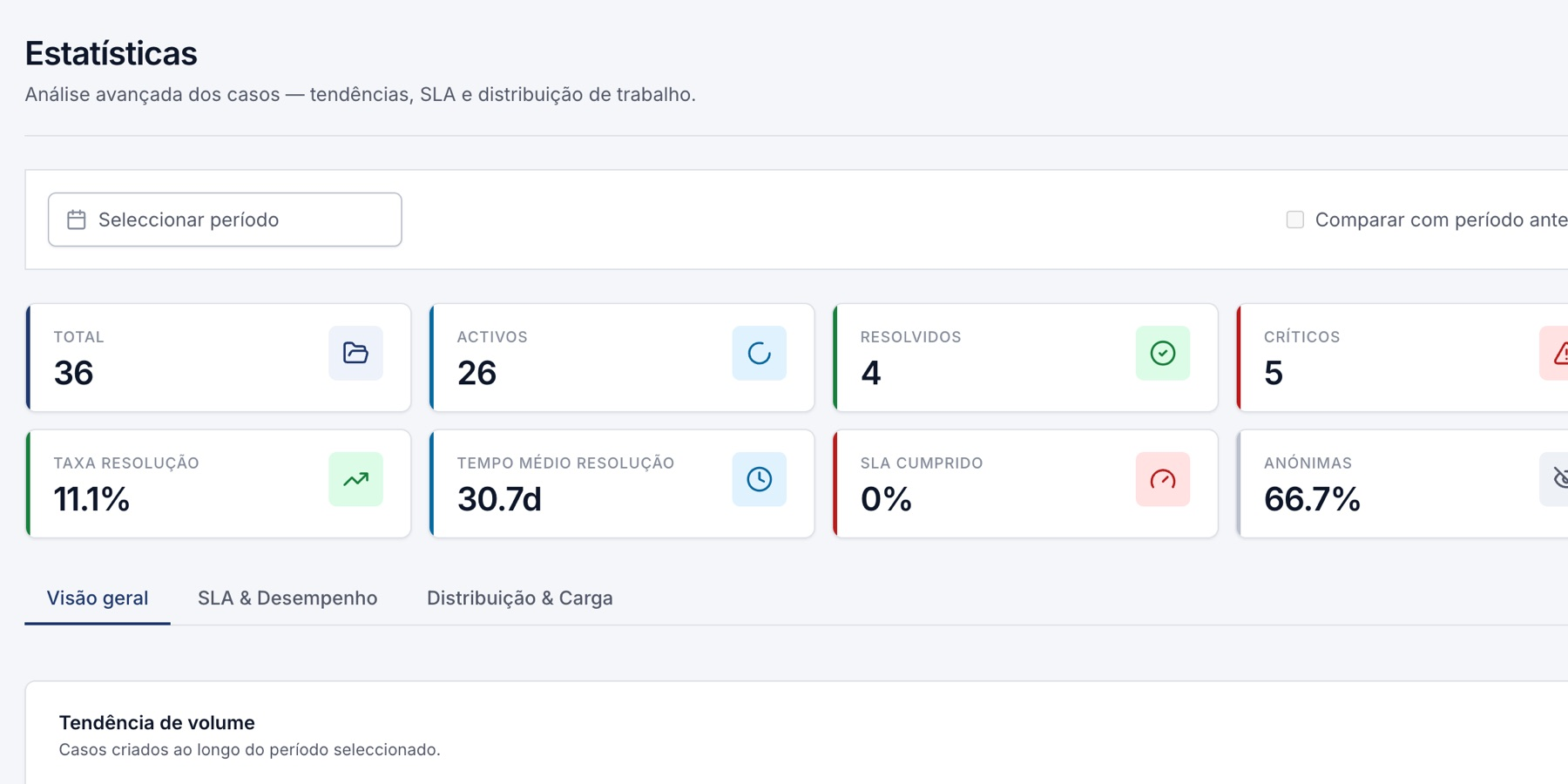
Volume and resolution indicators, distribution by status, category and priority, periodic reports, case dossiers and audit records.
Questions to ask during a demonstration
- How is the channel configured without development work?
- How does an anonymous reporting person return to the case?
- Which actions are recorded in the history?
- How are deadlines displayed and adjusted?
- How does sharing with external people work?
- Which reports can be produced?
- What security and privacy information is provided in writing?
- How can data be exported when the contract ends?
The journey should begin in the reporting form, pass through the management team and end in a report. A feature list does not show how the process works.